Passive Income for Photographers: 9 Proven Ways to Earn
From stock photography to selling presets and prints - 9 passive income ideas for photographers with real earnings data and platform comparisons.
15 min read
Key Takeaways (TL;DR)
Photography is one of the few creative skills where you genuinely build once and earn for years. Here's the quick version:
- Stock photography is the most straightforward passive stream. Upload photos, earn royalties every time someone downloads them.
- Selling presets and LUTs has the highest profit margin. Create once, sell forever.
- Print-on-demand lets you sell your photos as wall art, phone cases, and merch without touching inventory.
- AI has disrupted generic stock, but authentic, niche photography is more valuable than ever.
- The smartest photographers combine 2-3 passive streams that feed each other.
Here's every passive income method ranked:
| Method | Startup Effort | Time to First $ | Beginner Monthly | Experienced Monthly | How Passive? |
|---|---|---|---|---|---|
| Stock Photography | Medium | 1-3 months | $25-$100 | $200-$800 | Very High |
| Presets & LUTs | Low | 2-8 weeks | $0-$100 | $300-$1,500 | Very High |
| Print-on-Demand | Low | 2-4 weeks | $0-$50 | $200-$800 | High |
| Online Courses | High | 1-3 months | $50-$300 | $500-$2,000 | High |
| Ebooks & Guides | Medium | 1-2 months | $10-$100 | $200-$600 | Very High |
| YouTube Channel | High | 3-6 months | $0-$50 | $200-$1,000 | Medium |
| Affiliate Marketing | Low | 3-6 months | $0-$50 | $200-$800 | High |
| Direct Licensing | Medium | 1-3 months | $0-$100 | $300-$1,000 | Medium-High |
| Photo Editing Services | Low | 1-2 weeks | $100-$300 | $400-$1,000 | Low-Medium |
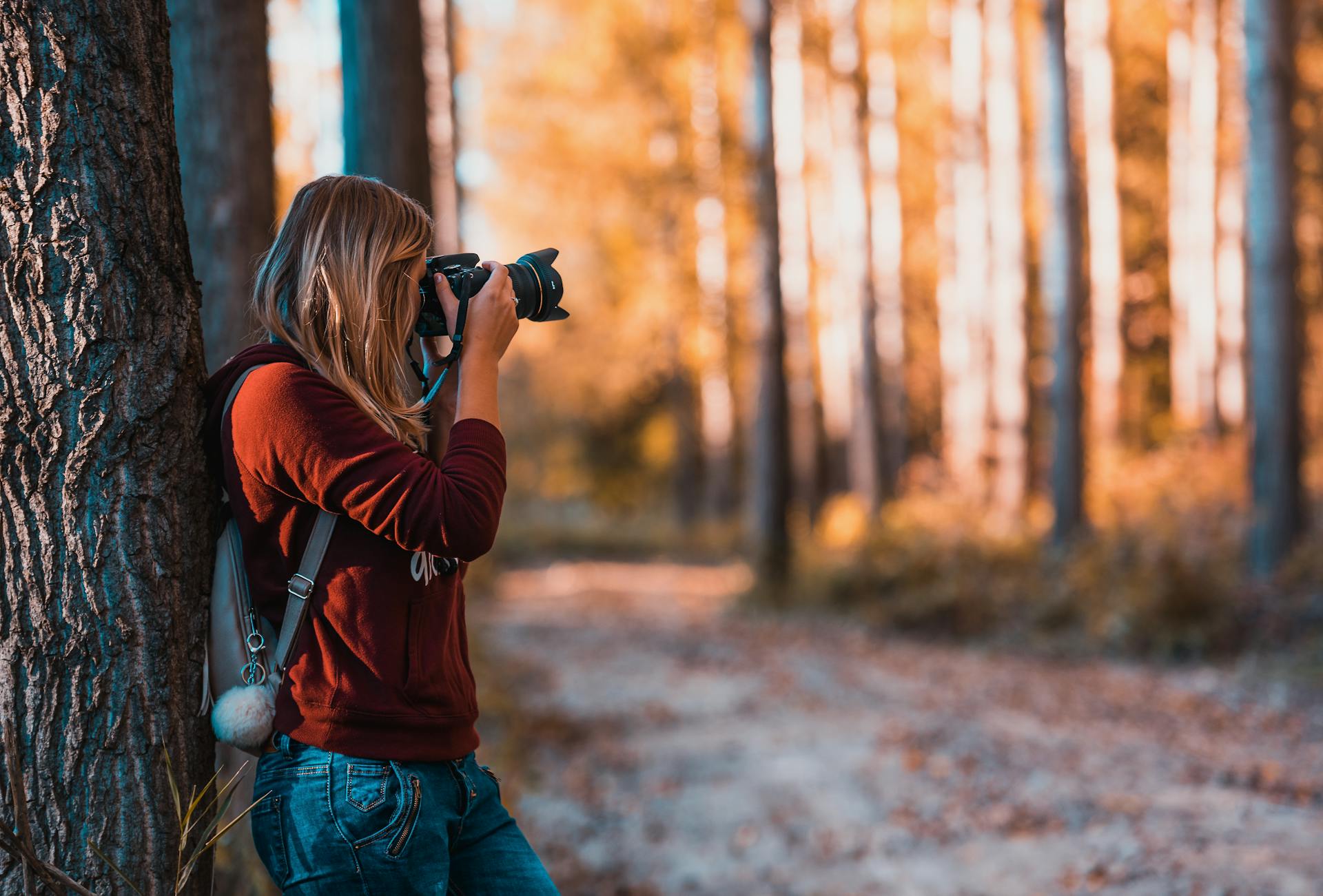
Most photographers I know started with a camera because they loved capturing moments. Not because they wanted a side income. But at some point, you look at that hard drive full of thousands of photos and think... "can this actually make me money?"
The answer is yes. And the best part is, many of these income streams are genuinely passive. You put the work in once, and the earnings keep trickling in for months or years.
I'm not a photographer myself, but I've spent years exploring side hustles and talking to people who monetize creative skills. Photography is one of those rare hobbies where the passive income potential is actually real, not just some guru selling you a dream.
If you want to compare photography with other side hustles that scale, that guide breaks down the broader models built on assets, products, content, and recurring demand.
Let's break down each method.
1. Stock Photography
This is the classic passive income stream for photographers. Upload your photos to stock platforms, add proper keywords, and earn a royalty every time someone licenses your image.
One photo can sell hundreds of times across years. That's the appeal.
Where to Sell
Here's how the major stock photography platforms compare:
| Platform | Commission | Best For | Notes |
|---|---|---|---|
| Shutterstock | 15-40% (tiered) | Volume sellers | Largest buyer base. 15% at under 100 downloads/year, scaling to 40% at 25K+ |
| Adobe Stock | 33% (43% exclusive) | Quality over quantity | Growing fast. Integrates with Creative Cloud, which means millions of buyers see your work in-app |
| Alamy | 40-50% | Editorial/niche | Higher per-sale earnings. Great for travel, editorial, and documentary work |
| iStock/Getty | 15-45% | Premium commercial | Most selective. Exclusive contributors earn up to 45% |
| Stocksy | 50-75% | Curated/artistic | Best commissions in the industry, but exclusive and highly selective |
| 500px | 25-60% | Community + sales | 60% for exclusive contributors. Distributed via Getty Images |
Realistic Earnings
Let's be honest about the numbers:
- Year 1 (~500 images): $25-$100/month
- Years 2-3 (~1,000-3,000 images): $100-$400/month
- Years 3-5 (~5,000+ images): $300-$800/month
- Mature portfolios (10,000+ images): $800-$2,000+/month (top 10-15% of contributors)
Most stock photographers stay in the $50-$300/month range for a long time. The people earning $2,000+ have been at it for 5+ years with massive, well-keyworded libraries.
A real case study: one contributor with 1,045 photos earned $4,555 in a year (~$380/month). Their best-selling single photo sold 37 times and earned $1,353 total. That's a solid result, but it took years of consistent uploading to get there.
What Actually Sells
This is where most beginners mess up. They upload pretty sunsets and wonder why nobody buys them.
High-demand categories:
- People in authentic situations (remote work, team meetings, diverse families)
- Food photography (styled plates, cooking processes, ingredients)
- Real estate photography (interiors, exteriors, staging)
- Business and technology (laptops, offices, video calls)
- Medical and education imagery
- Seasonal and holiday content
Low-demand (oversaturated):
- Generic landscapes and sunsets
- Blurry "artsy" shots
- Anything AI can easily generate
The AI Situation
Stock photography has changed since AI image generators became mainstream. About 50% of submissions to platforms that accept AI content are now AI-generated. But here's what matters: Shutterstock rejects 92% of AI-submitted files, and Adobe Stock has strict quality controls too.
The photographers getting hurt are those shooting generic content. If your photos look like something Midjourney could generate, yeah, that's a problem. But authentic lifestyle shots, real people with model releases, editorial content, and niche-specific imagery? AI can't touch those.
Pro tip: Focus on authenticity. Real emotions, real situations, real diversity. That's your competitive advantage as a human behind a camera.
2. Sell Lightroom Presets & LUTs
If stock photography is the slow-burn passive income, presets are the quick-win.
A Lightroom preset is basically a saved editing style that other photographers can apply to their photos in one click. LUTs (Look-Up Tables) do the same thing for video. You create them once, package them nicely, and sell them forever.
The margins are insane. Near-zero production cost, infinite supply, and buyers love them because they save hours of editing time.
Where to Sell
- Your own website (Shopify, WordPress): Highest margins (~90%+)
- Etsy: Built-in traffic, 6.5% transaction fee
- Gumroad: Simple setup, 10% platform fee. Check out the full platforms to sell digital products guide.
- Creative Market: Photography-focused audience, 30% platform fee
- FilterGrade: Dedicated preset marketplace. Average partners earn ~$450/month
Pricing Strategy
- Individual presets: $5-$10 each (low conversion, high volume needed)
- Core pack (10-15 presets): $29-$49 (sweet spot for most buyers)
- Premium bundle (30+ presets): $79-$129 (best for established sellers)
- Mobile presets pack: $15-$29 (huge market since most editing happens on phones now)
Realistic Earnings
Let's be real: most people who create a preset pack and list it somewhere earn close to nothing in the first few months. Without an audience, presets don't sell themselves.
Sellers with a decent Instagram or YouTube following can hit $100-$500/month. Top sellers with large audiences earn significantly more, but they're the exception, not the rule. One creator built a six-figure business selling LUTs and presets, but they had a massive following first.
The key is marketing. Show before/after comparisons on Instagram and TikTok. Let people see the transformation. That's what sells. Without that, your preset pack just sits there.
3. Print-on-Demand Wall Art
Your photos on someone's wall, without you ever touching a printer or shipping box.
Print-on-demand platforms handle everything. You upload your image, set your price, and when someone orders, the platform prints it, ships it, and handles returns. You keep the markup.
Best Platforms for Photo Prints
| Platform | Commission/Markup | Best For |
|---|---|---|
| Fine Art America | You set the price above base cost | Art collectors, gallery-style presentation |
| SmugMug | 15% commission on your markup | Professional photographers with an audience |
| Society6 | 10% commission | Large marketplace, home decor buyers |
| Redbubble | You set markup (default 20%) | Casual/fun products (phone cases, mugs, stickers) |
| Printful + Etsy | Higher margins (40-60%) | DIY storefronts, full price control |
What Prints Sell Best
Not every photo makes a good print. Think about what people actually want on their walls:
- Minimalist compositions (clean lines, simple subjects)
- Travel photography with a sense of place
- Nature and wildlife (especially unique angles)
- Cityscape and architecture
- Abstract textures and patterns
- Drone photography (aerial perspectives people haven't seen before)
Realistic Earnings
- Beginners without an audience: $0-$50/month (harsh but true)
- With active social media promotion: $50-$200/month
- Established photographers with a following: $300-$800+/month
The photographers who do well with prints usually have a social media presence or a niche following. Random uploads to Fine Art America or Redbubble without any promotion will earn you almost nothing. Don't expect "upload and forget" money here.
4. Online Photography Courses
If you know how to shoot, edit, or run a photography business, someone wants to learn from you.
Creating online courses takes serious upfront effort, but once a course is live, it earns while you sleep. Literally.
Where to Sell
- Udemy: Huge marketplace. Instructor keeps 37% on Udemy-driven sales, 97% on self-promoted sales. Most first courses earn $50-$300/month. A few photography instructors hit $1,000+/month but that's after strong reviews and years on the platform.
- Skillshare: Revenue based on minutes watched. Photography content performs well since it's visual and practical. Don't expect much initially though.
- Teachable/Thinkific: Self-hosted platforms where you keep 90-97% but you need your own audience to drive any sales at all.
Course Ideas That Sell
- "Lightroom editing from beginner to advanced"
- "Portrait photography for natural light"
- "Product photography for e-commerce sellers"
- "iPhone photography masterclass"
- "How to start a photography business"
- "Food photography and styling"
Realistic Earnings
- First course on Udemy: $50-$300/month (most first courses hover under $200)
- With consistent reviews and promotion: $300-$800/month
- Self-hosted course with an existing audience: $500-$2,000+/month (but building that audience takes months or years)
One Udemy instructor averaged $2,000/month in their first 9 months, but they had 14,000+ enrollments and a topic with broad appeal. That's not the typical experience.
The biggest mistake? Creating a course nobody asked for. Validate first. Check what people are searching for, what questions they ask in photography forums, and what existing courses lack.
5. Photography Ebooks & Guides
Less effort than a course, less earning potential too. But ebooks are dead simple to produce and distribute.
Write about what you know. A location guide for street photography in your city. A technical guide to astrophotography. A pricing guide for freelance photographers. Anything that solves a specific problem.
Where to Sell
- Amazon KDP: 70% royalty on books priced $2.99-$9.99. Massive built-in audience.
- Gumroad: 10% fee, simple setup, direct to your audience
- Your own website: Highest margins, but you drive the traffic
Realistic Earnings
$10-$100/month for most photography ebooks on Amazon. With active marketing and a niche topic, $200-$600/month is possible. Photography ebooks aren't bestseller material, but they sell steadily to a dedicated audience if the topic is specific enough.
The best part? You already have the visuals. Most ebook creators struggle with imagery. As a photographer, your book will naturally look better than 90% of the competition.
6. YouTube Channel
Not purely passive since you need to keep creating, but the back catalog earns ad revenue indefinitely.
Photography YouTube has solid CPMs ($3-$8 per thousand views) because advertisers love the audience. People watching camera gear reviews and editing tutorials are exactly the demographic brands want to reach.
What Performs Well
- Gear reviews and comparisons (highest CPM, attracts affiliate income)
- Editing tutorials (Lightroom, Photoshop, Capture One)
- Photo walks and behind-the-scenes
- Budget vs. expensive gear challenges
- "I tried X photography for a week" style content
Realistic Earnings
- Getting to monetization (1,000 subs + 4,000 watch hours): 3-12 months of consistent uploading
- 10K monthly views: $30-$80/month from ads
- 50K monthly views: $150-$400/month from ads
- Plus affiliate links in descriptions (this is where the real money is, see section 7)
- Plus driving traffic to your presets, courses, and prints
Most photography channels take 6-12 months just to hit the monetization threshold. The first year is usually close to $0 in ad revenue. YouTube isn't passive in the traditional sense and the ramp-up is slow. But a single tutorial video you filmed two years ago can still generate income every month. That's the passive part.
7. Affiliate Marketing for Gear
Photographers buy expensive gear. Cameras, lenses, tripods, editing software, storage, lighting. And they research everything online before pulling the trigger.
If you're creating content, whether on a blog, YouTube, or social media, you can earn commissions by recommending the gear you actually use.
Best Affiliate Programs for Photographers
| Program | Commission | Notes |
|---|---|---|
| B&H Photo Video | 8% | Huge catalog, trusted brand |
| Adorama | Up to 8% | 60-hour cookie window |
| Amazon Associates | 1-4% | Low commission but massive catalog and trust |
| Adobe Creative Cloud | 85% of first month OR 8.33% of first year | Recurring potential |
| SmugMug | 15% | Photographers recommending to photographers |
| Skylum (Luminar) | Up to 20% | Popular editing software |
| Think Tank Photo | 10% | Camera bags and accessories |
Why This Works
Camera gear is expensive. Even at 4% commission on Amazon, a $2,000 camera body nets you $80 per sale. An Adobe Creative Cloud referral at 85% of the first month is ~$47 per conversion.
Pair this with a YouTube channel or an affiliate review blog and you've got a compounding income stream. Write honest, in-depth reviews of gear you've actually used. That's what ranks and converts.
Realistic Earnings
$0 for the first few months. Affiliate income requires traffic first, and traffic takes time to build. Once you have a steady audience through a blog or YouTube channel, $50-$300/month is realistic for beginners. Established photography bloggers and YouTubers can earn $500-$800+/month, and some earn more from affiliate commissions than from ad revenue. But that's after building an audience over months or years.
8. License Photos Directly
Stock platforms take a 50-85% cut. Direct licensing lets you keep most of the money.
Instead of uploading to Shutterstock and earning $0.25 per download, you license your photos directly to businesses, publications, and content creators for $50-$500+ per image.
How It Works
- Set up a portfolio on SmugMug (15% commission on your markup), Pixieset (commission-free on paid plans), or your own website
- Add clear licensing terms (personal use, commercial use, exclusive use, with different pricing tiers)
- Market your portfolio to brands, magazines, and content agencies
Who Buys Direct?
- Small businesses needing original imagery for their brand
- Magazines and online publications
- Marketing agencies that need niche-specific content
- Travel companies needing authentic destination photos
- Real estate agencies needing professional property shots
Realistic Earnings
This is hard to put a number on because it depends entirely on the relationships you build. Most photographers starting out will earn $0 for a while because direct licensing requires outreach and sales, not just uploading. Once you land recurring clients, $100-$500/month is a realistic starting range. Experienced photographers with an established network can earn more, but the per-image earnings are 10-20x higher than stock platforms.
If you're building a photography portfolio for the first time, the principles in the freelance portfolio guide apply here too. Show your best work, keep it focused, and make it easy for buyers to contact you.
9. Photo Editing as a Service
This one sits between active and passive income. It's not truly passive, but it can become semi-automated with the right workflow.
Photo editing and retouching services are in constant demand. Real estate agents need listing photos enhanced. E-commerce brands need product shots cleaned up. Wedding photographers need hundreds of photos edited consistently.
How to Make It More Passive
- Create editing presets for different client types (real estate, weddings, products)
- Build templated workflows so each job takes 30 minutes instead of 3 hours
- Use AI tools like Luminar Neo or Capture One for batch processing
- Hire and train an assistant once you have consistent volume
Realistic Earnings
$200-$1,000/month working 5-10 hours per week. Not purely passive, but the recurring nature of client relationships means predictable monthly income.
How to Pick Your First Passive Stream
Don't try all nine at once. That's a recipe for burnout.
Already shooting regularly? Start with stock photography. You're creating the raw material anyway. Just upload it.
Have a distinctive editing style? Presets are your fastest path to income. Package your style and sell it.
Have an audience already? Courses or prints will convert your followers into buyers.
Good at writing or explaining? Start a YouTube channel or ebook. Teaching compounds because content keeps working after you publish it.
Just starting out? Stock photography + presets is the easiest combination. One feeds the other, and both require minimal upfront investment.
The Multi-Stream Strategy
The photographers earning serious passive income aren't relying on one method. They stack them.
Here's what a typical stack looks like:
- Stock photography runs in the background, earning $50-$200/month from a growing library
- Preset packs sell through Gumroad or Etsy, earning $100-$300/month
- YouTube videos drive traffic to presets and generate ad revenue
- Affiliate links in video descriptions and blog posts add another $50-$200/month
Each stream feeds the others. Your YouTube channel shows your editing style, which sells presets. Your presets include a link to your stock portfolio. Your stock portfolio builds authority for licensing deals.
It takes time. Nobody builds all of this in a month. But if you start with one stream today and add another every 3-6 months, you could realistically hit $300-$800/month in combined passive photography income within 12-18 months. Getting past $1,000/month usually takes 2+ years of consistent work across multiple streams.
AI Won't Replace You (If You Adapt)
The photography world has been freaking out about AI since 2023. And honestly, some of that fear is justified. AI-generated images have flooded stock platforms with generic content.
But here's the thing: the demand for authentic photography has actually increased. Brands are tired of AI-generated faces and perfect stock scenes. They want real. They want human. They want photos that feel lived-in and genuine.
The photographers who are struggling are the ones who shot generic content to begin with. If your entire portfolio is "business people shaking hands in front of a whiteboard," yeah, AI can do that now.
But event photography of a real wedding? Concert photography in a sweaty venue? The way light hits a street in your neighborhood at 6am? AI can't replicate that. And it probably never will.
Use AI as a tool, not a competitor. Let it handle batch editing, keyword suggestions, and marketing copy. You focus on what only you can do: being somewhere with a camera and seeing something worth capturing.
Final Thoughts
Photography is one of those hobbies that can genuinely turn into income. Not overnight. Not by uploading 10 photos and waiting. But steadily, by building a library of work that keeps earning long after the shutter clicked.
The best time to start was when you took your first good photo. The second best time is now.
Pick one stream from this list. Upload your first batch. Create your first preset pack. Film your first tutorial. Whatever it is, just start.
Here are some more resources if you want to keep going:
- Need to crop or resize photos? Use the free Image Cropper and Image Resizer - no uploads, no signup
- Want to sell your work? Compare the best platforms to sell digital products
- Write and sell a photography ebook? Follow the Amazon KDP guide
- Building an affiliate blog? Read the affiliate SEO review blogging guide
- Need a broader starting point? Check the step-by-step guide to starting a side hustle or remote side hustles
- Explore all photography side hustles: Browse the full side hustles database for 200+ side hustle ideas
- Track your progress: Use the earn online checklist to stay on track
- Published:
- Updated:
- By Ronak
About the Author
Developer and side hustle experimenter since 2018. Has built and tested freelancing, content businesses, and digital products firsthand. 7+ years of trying, failing, and documenting what actually works so you don't have to figure it out the hard way.
Frequently Asked Questions
Quick answers to help you make faster decisions.
Yes. Modern smartphones take photos good enough for stock photography platforms. Shutterstock, Adobe Stock, and EyeEm all accept high-quality phone photos. You won't compete with DSLR shots for premium commercial work, but lifestyle, street, and food photography from phones sells regularly.
It depends on the stream and effort. Stock photography earns $25-$200 per month in the first year depending on portfolio size. Preset packs can earn $50-$300 per month for newer sellers, more with an established audience. Most photographers who combine 2-3 passive streams earn $100-$500 per month within the first year.
Yes, but the landscape has changed. Generic stock photos face heavy AI competition. Authentic, lifestyle-driven, editorial, and niche-specific photos that AI cannot replicate are more valuable than ever. Platforms like Shutterstock reject 92% of AI-submitted content, which protects human photographers.
For beginners, Adobe Stock and Shutterstock have the largest buyer bases. For higher per-sale earnings, Alamy and Stocksy pay better commissions. For selling prints directly, SmugMug and Fine Art America are excellent. The best strategy is listing on 2-3 platforms simultaneously.
A larger portfolio helps, but quality matters more than quantity. Photographers with 500 well-keyworded, niche-specific images can earn more than someone with 5,000 generic shots. Focus on building a library of 200-500 images in a specific niche first.
Create your presets in Lightroom, export them as .xmp or .lrtemplate files, and sell them on platforms like Gumroad, Etsy, or your own website. Package them in bundles of 10-30 presets with before/after examples. Price individual packs at $19-$49 and premium bundles at $79-$129.
Absolutely. Stock photography needs zero investment if you have a decent phone camera. Students constantly encounter interesting scenes on campus, in cities, and while traveling. Upload regularly and let the portfolio grow while you study.
People and lifestyle photos consistently outsell landscapes. Business-related content like meetings, remote work, and team collaboration sells well. Food photography, diverse representation, and authentic everyday moments are in high demand. Niche subjects like medical, education, and technology images command premium prices.
Table Of Content
- Key Takeaways (TL;DR)
- 1. Stock Photography
- 2. Sell Lightroom Presets & LUTs
- 3. Print-on-Demand Wall Art
- 4. Online Photography Courses
- 5. Photography Ebooks & Guides
- 6. YouTube Channel
- 7. Affiliate Marketing for Gear
- 8. License Photos Directly
- 9. Photo Editing as a Service
- How to Pick Your First Passive Stream
- The Multi-Stream Strategy
- AI Won't Replace You (If You Adapt)
- Final Thoughts